
Biodynamic Gardening, Demeter, Anthroposophy & Weleda: How a Holistic Vision Became a Global Movement
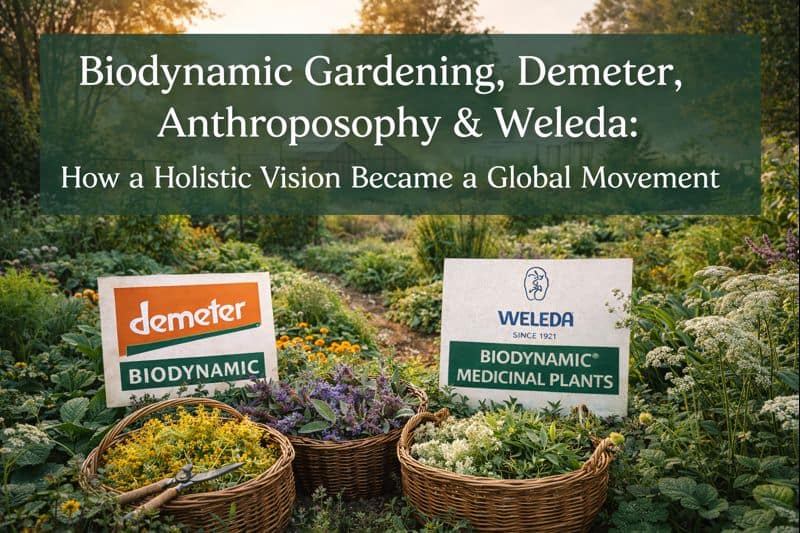
Introduction: A Living System, Not a Product In a world increasingly shaped by industrial agriculture, synthetic inputs, and fragmented approaches to health, a quieter but deeply influential movement has been growing for more than a century. Biodynamic gardening, the Demeter certification, anthroposophy, and the iconic natural health brand Weleda are all expressions of a single, coherent worldview—one that sees soil, plants, animals, humans, and the cosmos as part of an interconnected living system. To many, these names may seem loosely related or even mysterious. Biodynamic gardening is often described as “organic plus,” Demeter is recognized as a rigorous certification label, anthroposophy sounds philosophical or spiritual, and Weleda is known globally for natural skincare and remedies. Yet they are not separate ideas stitched together after the fact. They all originate from the same source and intention: to heal the relationship between humans and nature. This article explores how biodynamic gardening, Demeter, anthroposophy, and Weleda are intrinsically linked—historically, philosophically, and practically—and why their relevance is arguably greater today than ever before. Anthroposophy: The Philosophical Root At the heart of biodynamic gardening, Demeter, and Weleda lies anthroposophy, a holistic philosophy developed by Austrian thinker and social reformer Rudolf Steiner in the early 20th century. Anthroposophy literally means “wisdom of the human being,” and its central aim is to reunite scientific thinking with spiritual insight. Steiner did not reject modern science. Instead, he argued that material science alone was insufficient to understand life. Plants, soils, animals, and humans are not mechanical systems, he suggested, but living beings shaped by invisible forces—rhythms, relationships, and formative energies that can be observed through careful, ethical perception. Anthroposophy expresses itself in many practical fields: In each case, the goal is the same: to support life processes rather than dominate them. In agriculture, this philosophy became biodynamic farming, the first organized ecological agriculture system in the world. Biodynamic Gardening: Agriculture as a Living Organism Origins of Biodynamics Biodynamic gardening began in 1924, when Rudolf Steiner delivered a series of lectures to farmers who were alarmed by declining soil fertility, weaker crops, and loss of seed vitality following the introduction of chemical fertilizers. These lectures—now known as the Agriculture Course—laid the foundation for biodynamic agriculture. Steiner proposed a radical idea for the time: a farm or garden should be understood as a self-contained living organism. Soil, plants, animals, insects, microorganisms, and humans all form a single metabolic system. When balance is restored within this system, fertility and resilience naturally follow. Core Principles of Biodynamic Gardening Biodynamic gardening goes beyond organic practices by integrating ecological, energetic, and cosmic considerations. Its key principles include: Rather than forcing growth, biodynamic gardeners aim to enhance the formative forces of life already present in nature. The Biodynamic Preparations: Nature as Medicine for the Soil One of the most distinctive aspects of biodynamic gardening is the use of nine biodynamic preparations, numbered 500–508. These preparations use medicinal plants such as yarrow, chamomile, nettle, oak bark, dandelion, and valerian, combined with animal substances and carefully timed processes. While often misunderstood or dismissed as mystical, these preparations are used in extremely small quantities—more like homeopathic stimulants for soil life than fertilizers. Their purpose is not to add nutrients, but to activate microbial processes, enhance root–soil relationships, and improve compost maturity. Modern research has increasingly shown that biodynamic soils tend to have: This aligns closely with Weleda’s own approach to medicinal plant cultivation. Demeter: The Gold Standard of Biodynamic Certification As biodynamic farming spread internationally, the need arose to protect its integrity. This led to the creation of Demeter, the world’s oldest ecological certification label, founded in 1928. Named after the Greek goddess of agriculture and fertility, Demeter represents far more than an organic standard. What Makes Demeter Different? Demeter certification requires: Unlike many certifications that focus on inputs, Demeter evaluates the farm as a living whole. Products carrying the Demeter label—whether food, wine, textiles, or cosmetics—must meet rigorous standards from soil to shelf. For conscious consumers, Demeter is a sign of deep ecological commitment rather than surface-level sustainability. Weleda: Anthroposophy in Action Founded in 1921, Weleda is one of the most direct and enduring expressions of anthroposophy in practice. The company was co-founded by Rudolf Steiner, physician Ita Wegman, and chemist Oskar Schmiedel with a clear mission: to create medicines and body care products that support the body’s own healing intelligence. From the beginning, Weleda rejected synthetic chemicals in favor of whole-plant extracts, mineral substances, and rhythmic production processes. This approach mirrored biodynamic principles long before “natural” became a marketing term. Biodynamic Cultivation at Weleda Weleda grows many of its medicinal plants in its own biodynamic gardens around the world, including in Germany, Switzerland, France, and beyond. These gardens are managed according to Demeter standards and biodynamic principles. Key aspects include: This ensures that plant extracts used in Weleda products carry not just chemical constituents, but vitality and integrity. From Garden to Body: A Shared Philosophy What unites biodynamic gardening, Demeter, anthroposophy, and Weleda is a consistent worldview: Biodynamic gardens cultivate plants with stronger root systems, richer aromas, and greater resilience. Demeter ensures these principles are protected at scale. Anthroposophy provides the philosophical foundation. Weleda brings the results into daily human care—through skincare, remedies, and wellness products. In this sense, applying a Weleda product is not just personal care; it is participation in a regenerative system that begins beneath our feet. Why This Matters Today As climate change, soil degradation, and chronic health issues accelerate, the biodynamic–anthroposophical approach offers a compelling alternative. It asks us to slow down, observe, and work with life rather than against it. For gardeners, it offers a way to restore soil and grow nutrient-dense food. For farmers, it provides resilience and independence. For consumers, Demeter and Weleda offer transparency and trust in an often confusing marketplace. Most importantly, this integrated system reminds us that sustainability is not just technical—it is cultural, ethical, and spiritual. Conclusion: One Living Thread Biodynamic gardening, Demeter certification, anthroposophy, and Weleda are not four separate ideas. They are four expressions of one living thread—a holistic vision that recognizes the Earth as a living being and
Dr. Ita Wegman: Pioneer of Anthroposophic Medicine and Holistic Healing
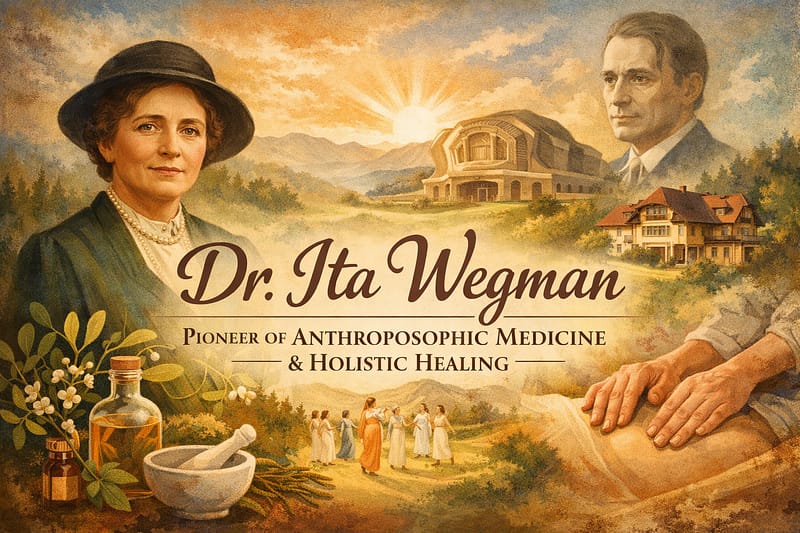
Dr. Ita Wegman (1876–1943) stands as one of the most visionary women in the history of medicine — a courageous physician whose work reshaped medical practice through a holistic understanding of human health and healing. Introduction In a world dominated by conventional scientific medicine, Dr. Ita Wegman introduced a bold alternative — one that integrated physical, emotional, and spiritual dimensions into healing. Her work laid the foundation for anthroposophic medicine, a distinct approach that still resonates globally nearly a century later. But who was Ita Wegman? How did she transition from a Dutch colonial upbringing in Southeast Asia to becoming a trailblazer in holistic health? This article explores her life, influences, challenges, and lasting legacy. Early Life: From Java to Europe Maria Ita Wegman was born on 22 February 1876 in Karawang, West Java — then part of the Dutch East Indies — as the eldest child in a Dutch colonial family. Her early years in Indonesia were shaped by travel and education, including private lessons and boarding school in the Netherlands before adulthood. As a young woman, Wegman experienced a profound personal loss when her fiancé died of lung disease. This tragedy marked a turning point, deepening her interest in spiritual questions and ultimately influencing her future direction toward healing and wellness. At the turn of the 20th century, she relocated to Europe and trained in therapeutic gymnastics and massage, first in Holland and then in Berlin — at a time when women were beginning to enter medical and therapeutic professions but still faced serious barriers. Meeting Rudolf Steiner: Conception of a New Path In 1902, a chance encounter changed the course of her life: Wegman met Rudolf Steiner, the philosopher and founder of anthroposophy — a spiritual and scientific worldview that emphasized the interconnectedness of body, mind, and spirit. Steiner encouraged Wegman to pursue formal medical training, a suggestion she would take seriously. Motivated by Steiner’s ideas, Wegman entered the University of Zurich in 1906, where women were permitted to study medicine — something still rare elsewhere. She excelled and graduated in 1911 with a medical diploma, specializing in women’s health and gynecology. During this period, she also established her first medical practice, developing an integrative approach that blurred distinctions between physical and psychosocial care — a foundation for her future work in anthroposophic medicine. Developing Anthroposophic Medicine The First Clinic By 1917, Wegman had opened her own practice in Zurich, where she began experimenting with therapies inspired by Steiner’s suggestions. Most notably, she developed a treatment for cancer using a mistletoe extract, initially called Iscar — which evolved into Iscador, one of the earliest anthroposophic medicinal preparations. While modern scientific evidence does not conclusively support mistletoe as a curative cancer therapy, Wegman’s work was revolutionary for its time, emphasizing improved quality of life and holistic patient care. Even today, mistletoe preparations are among the most widely recognized complementary cancer therapies in parts of Europe. In 1920, Wegman purchased land in Arlesheim, Switzerland, and the next year established the Klinisch-Therapeutisches Institut — the first clinic dedicated to anthroposophic medicine. This clinic brought together physicians and therapists committed to a comprehensive model of healing. Innovations in Therapeutic Practice Holistic Therapies and Methods Beyond medicine, Wegman introduced a range of therapeutic innovations. She developed rhythmical massage, which became a cornerstone of anthroposophic physical therapy, emphasizing rhythmic, gentle movement to promote systemic balance. Her interdisciplinary vision also embraced artistic and expressive therapies — including eurythmy, painting, music, and speech therapy — all seen as integral to fostering health in body and soul. These methods laid the groundwork for what later became recognized as anthroposophic therapeutic arts. Importantly, she saw the patient as more than a disease; she viewed illness as part of a person’s developmental journey — a concept that redefined therapeutic goals away from symptom suppression toward deeper support of human vitality. Weleda and Expansion of Therapeutic Medicine One of Wegman’s lasting institutional legacies was her role in founding Weleda in 1921, alongside chemist Oskar Schmiedel and others. Originally conceived to produce medications and remedies for the Arlesheim clinic, Weleda grew into a major manufacturer of health and wellness products, still guided by holistic principles. Under her leadership, the clinical therapeutic institute and Weleda pioneered the production of botanical medicines and preparations rooted in anthroposophic philosophy. Wegman’s talents for leadership, vision, and practical implementation were crucial in ensuring these early ventures secured financial stability and long-term success. Teaching and Leadership Medical Journal and Writings Wegman was not only a practitioner but also a communicator. In the mid-1920s, she founded Natura, a medical journal that became an important forum for anthroposophic medical thought and research. Together with Steiner, she authored key texts such as Extending Practical Medicine — originally published as Fundamentals of Therapy — offering theoretical foundations for anthroposophic medical practices. These works helped shape a coherent framework that practitioners around the world could reference and build upon. Role at the Goetheanum In 1923, Steiner appointed Wegman to the Executive Council of the newly reorganized General Anthroposophical Society and director of its medical section at the Goetheanum, the movement’s central research institution. In this role, she helped integrate spiritual science with medical theory and practice. Wegman also provided dedicated personal care to Steiner in his final illness before his death in 1925, forging one of the most important partnerships in the history of anthroposophy. Humanitarian Vision and Social Engagement Wegman’s concern extended beyond institutions to people in need. In 1922, she founded Haus Sonnenhof, a therapeutic home for children with developmental disabilities, applying anthroposophic principles to education and care. Her work was animated by a deep compassion for “fringe groups” often marginalized by society. Particularly in the 1930s, she helped many individuals facing persecution — including Jewish people escaping Nazi Germany — evidencing her commitment to human dignity and social justice. Conflict and Final Years Despite her successes, Wegman’s relationship with the Anthroposophical Society became strained. In 1935, disagreements with other members of the Executive Council led to her
Welcome to the New Weleda Online Shop at weleda.brooled.co.uk
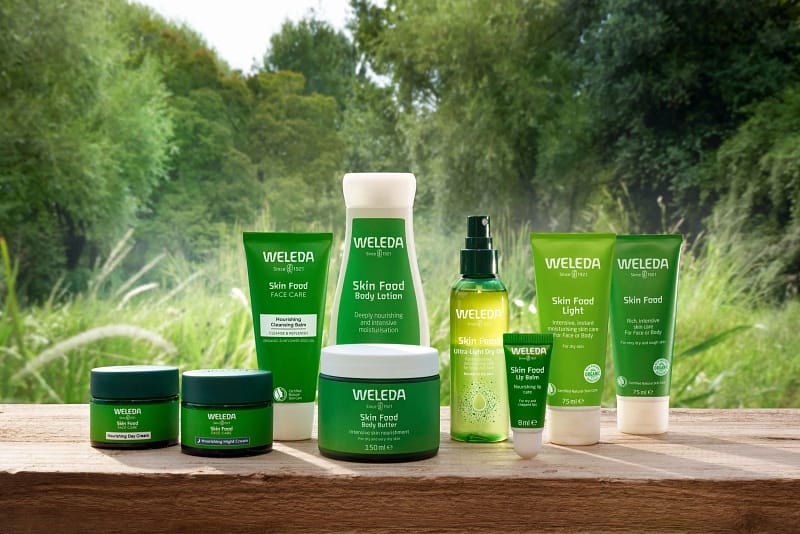
We are delighted to welcome you to weleda.brooled.co.uk, our newly redesigned website and official online destination for Weleda UK products. With a fresh look, improved navigation, and the launch of our dedicated online shop, we’ve created a space that reflects Weleda’s natural philosophy while making it easier than ever for you to explore, learn, and shop. This website has been thoughtfully redesigned with you in mind. Whether you are a long-time Weleda customer or discovering the brand for the first time, our goal is to offer a calm, informative, and enjoyable experience that mirrors the care and intention behind every Weleda product. A Fresh Design Inspired by Nature The new design of weleda.brooled.co.uk is clean, modern, and inspired by nature. Soft colours, clear layouts, and easy navigation help you find what you need quickly, while also inviting you to slow down and explore. We wanted the website to feel like a natural extension of Weleda itself, grounded, honest, and reassuring. You’ll notice clearer product categories, improved mobile browsing, and faster access to product information. Whether you’re browsing skincare, body care, baby products, or wellness essentials, everything is just a few clicks away. The Opening of Our Online Shop Alongside the redesign, we’re proud to announce the opening of our online shop, bringing the full range of Weleda UK products directly to your home. From iconic classics to everyday essentials, our shop includes everything you expect from Weleda, all in one convenient place. To make shopping even more rewarding, we offer free UK shipping on all orders over £50. It’s our way of saying thank you for choosing to shop with us and supporting natural, responsible skincare. Discover the Full Weleda UK Range Our online shop features the complete Weleda UK catalogue, including: Each product page includes detailed descriptions, ingredient highlights, and usage guidance, helping you choose products that truly suit your needs. About Weleda: A Brand with Purpose Weleda has a long and respected history rooted in natural health, sustainability, and holistic wellbeing. For over a century, the brand has been committed to creating products that work in harmony with the body and the natural world. At the heart of Weleda is a deep respect for nature. Ingredients are carefully sourced, often from biodynamic or organic farms, and processed in ways that preserve their natural vitality. No unnecessary additives, no harsh synthetics, just thoughtfully crafted products designed to support healthy skin and wellbeing. Learning How to Use Weleda Products This blog is more than just an announcement space. Over time, it will grow into a knowledge hub for all things Weleda. We’ll be sharing articles that help you understand: Whether you’re curious about facial oils, body butters, or herbal formulations, our aim is to give you clear, practical guidance you can trust. Supporting Natural Living Choosing Weleda is about more than skincare. It’s a step towards a more conscious lifestyle. Weleda products are developed with sustainability, ethical sourcing, and environmental responsibility in mind. Packaging is designed to be recyclable where possible, and the company actively supports biodiversity and fair partnerships with growers. By shopping at weleda.brooled.co.uk, you’re supporting these values while investing in products that care for both you and the planet. Why Shop with Us? We know you have choices when shopping online, and we’re grateful you’re here. When you shop with us, you can expect: Our aim is to make your journey with Weleda simple, informative, and enjoyable from start to finish. Looking Ahead This is just the beginning. As our online shop grows, so will this blog. We look forward to sharing more insights, product guides, and inspiration to help you get the most from your Weleda products. Thank you for visiting weleda.brooled.co.uk and being part of our journey. We’re excited to support you in discovering natural care, thoughtful routines, and products made with integrity ?